Written by
Eliot King— First-Class BSc (Hons) Economics, University of Bath · 6+ years teaching A-Level Economics · Edexcel A, Edexcel B, AQA and OCR
Specification Coverage: AQA unit 1.4.7 - Profit.
This section covers the concepts of normal profit, supernormal
profit, and losses, as well as the role of profit in a market
economy.
Key Definitions
Profit is the difference between total revenue
and total costs.
Normal profit: The minimum
profit required to keep a firm in the industry, so
\( TR = TC \). Also known as the
break-even point.
Abnormal/Supernormal profit:
Any profit above normal profit, so
\( TR > TC \).
Loss: When
\( TR < TC \).
Normal profit is a cost, not a bonus. It is
the opportunity cost of the entrepreneur staying in this
industry, so it is already counted inside the firm's costs. On
a diagram that means a firm making normal profit sits where
AR = AC, and only the area above AC
is supernormal profit. Such a firm is breaking even in
economic terms even though its accounts would show a positive
figure.
Profit Maximisation Rule
Firms maximise profit by producing where
\( MC = MR \).
Diagrammatic Representation of Profits and Losses
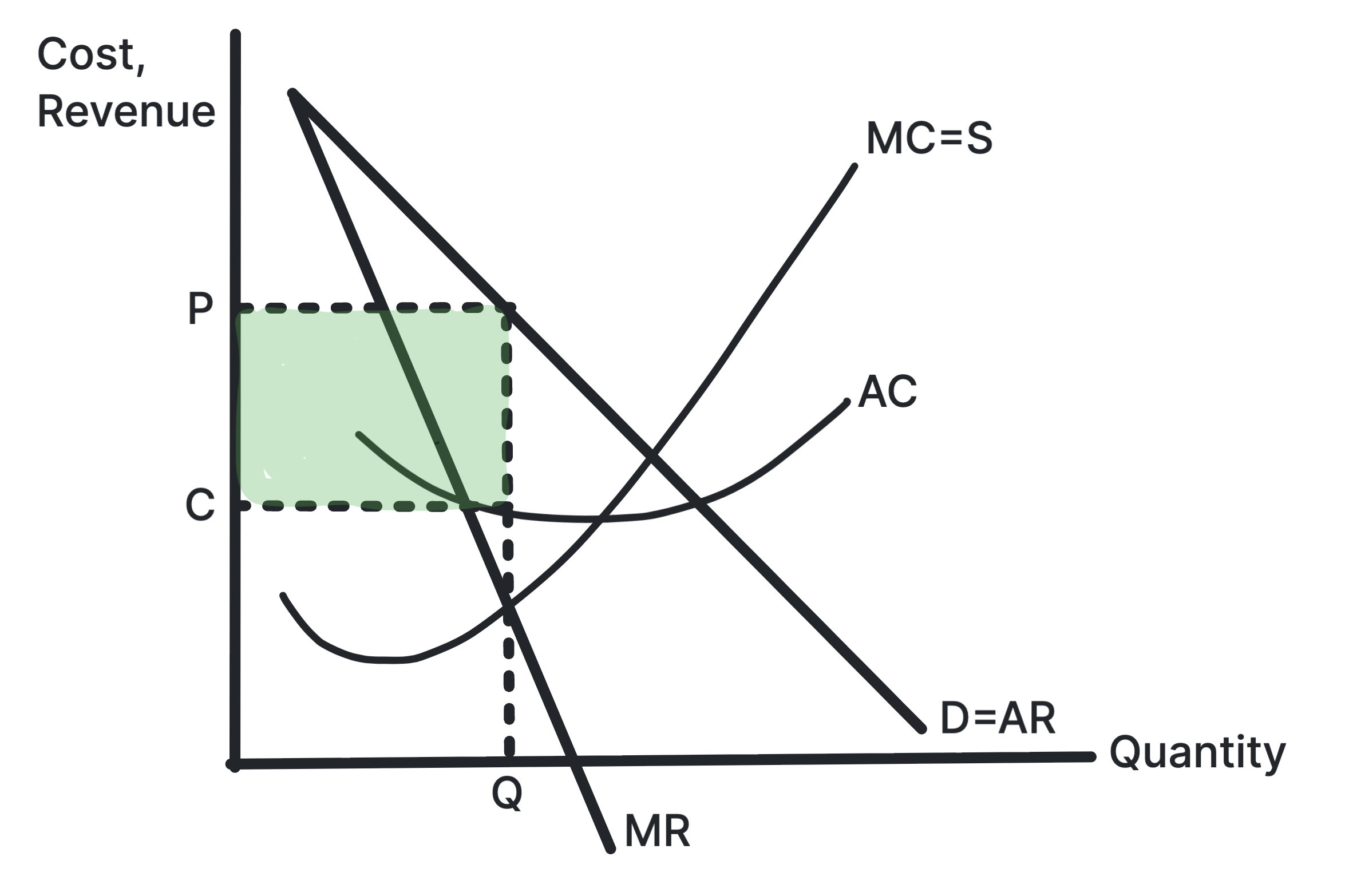
Figure 1: A firm making supernormal profit, where AR (price)
is above AC at the profit-maximising output Qpm. The shaded
area represents supernormal profit.
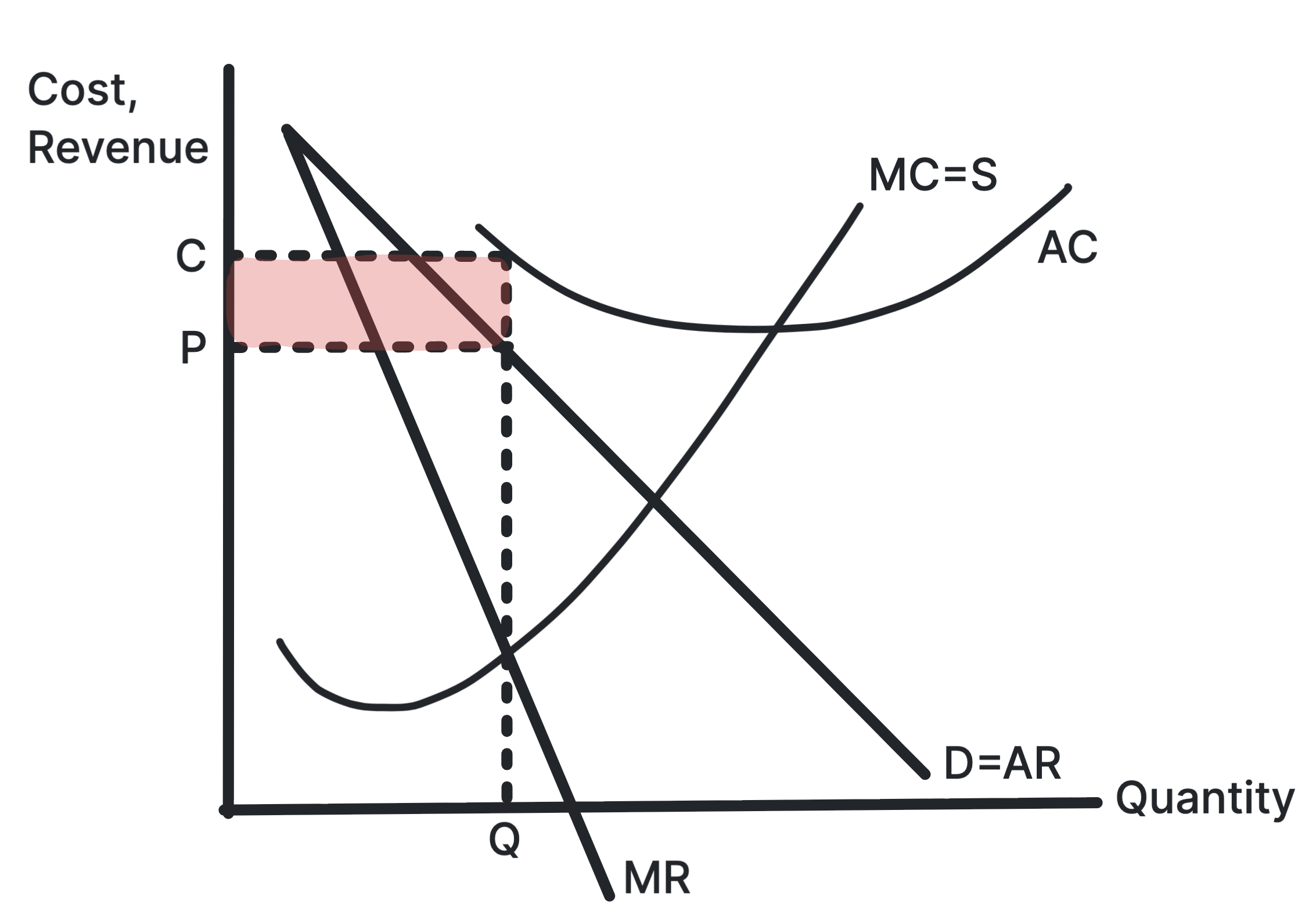
Figure 2: A firm making a loss, where AR (price) is below AC
at the profit-maximising output Qpm. The shaded area
represents the loss.
Role of Profit in a Market Economy
Incentive for entrepreneurship: Profit
motivates individuals to start and manage businesses, taking
on the risks associated with entrepreneurship.
Signal to allocate resources: Profit signals
to firms where resources are most valued, guiding the
allocation of resources in the economy.
Economic growth: Profit can be reinvested
into businesses, leading to expansion, innovation, and overall
economic growth.
Driver of competition: Profit encourages
firms to compete, leading to better products, lower prices,
and increased efficiency in the market.
Reward to investors/owners: Profit provides a
return on investment to those who have invested capital in the
business, rewarding them for their risk and contribution.