Business Objectives
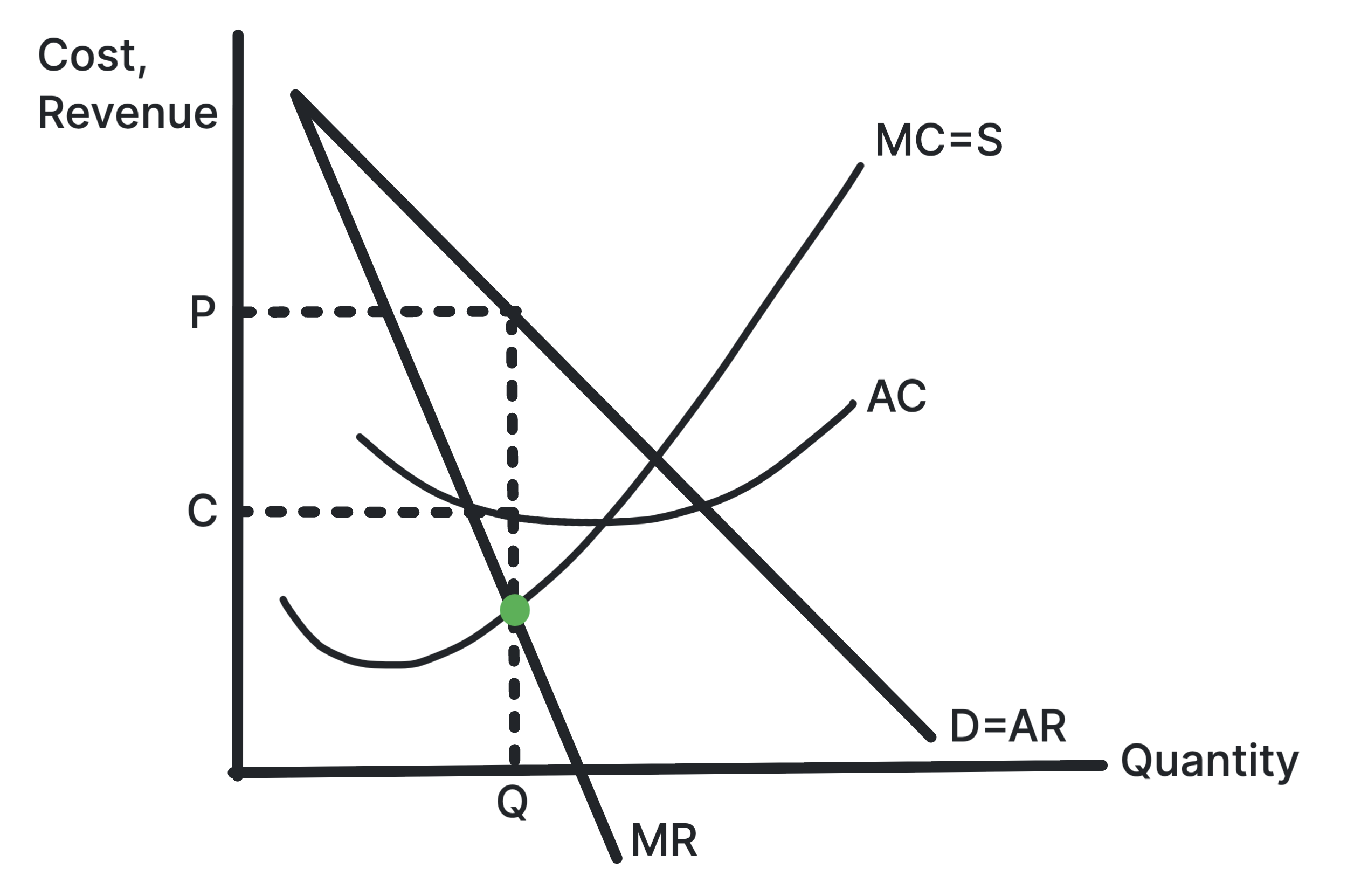
Profit Maximisation
Assumed objective: In traditional theory, firms are assumed to aim for profit maximisation.
Why? This maximises returns for shareholders through dividends and higher share prices.
Rule: Profit is maximised where \( MC = MR \).
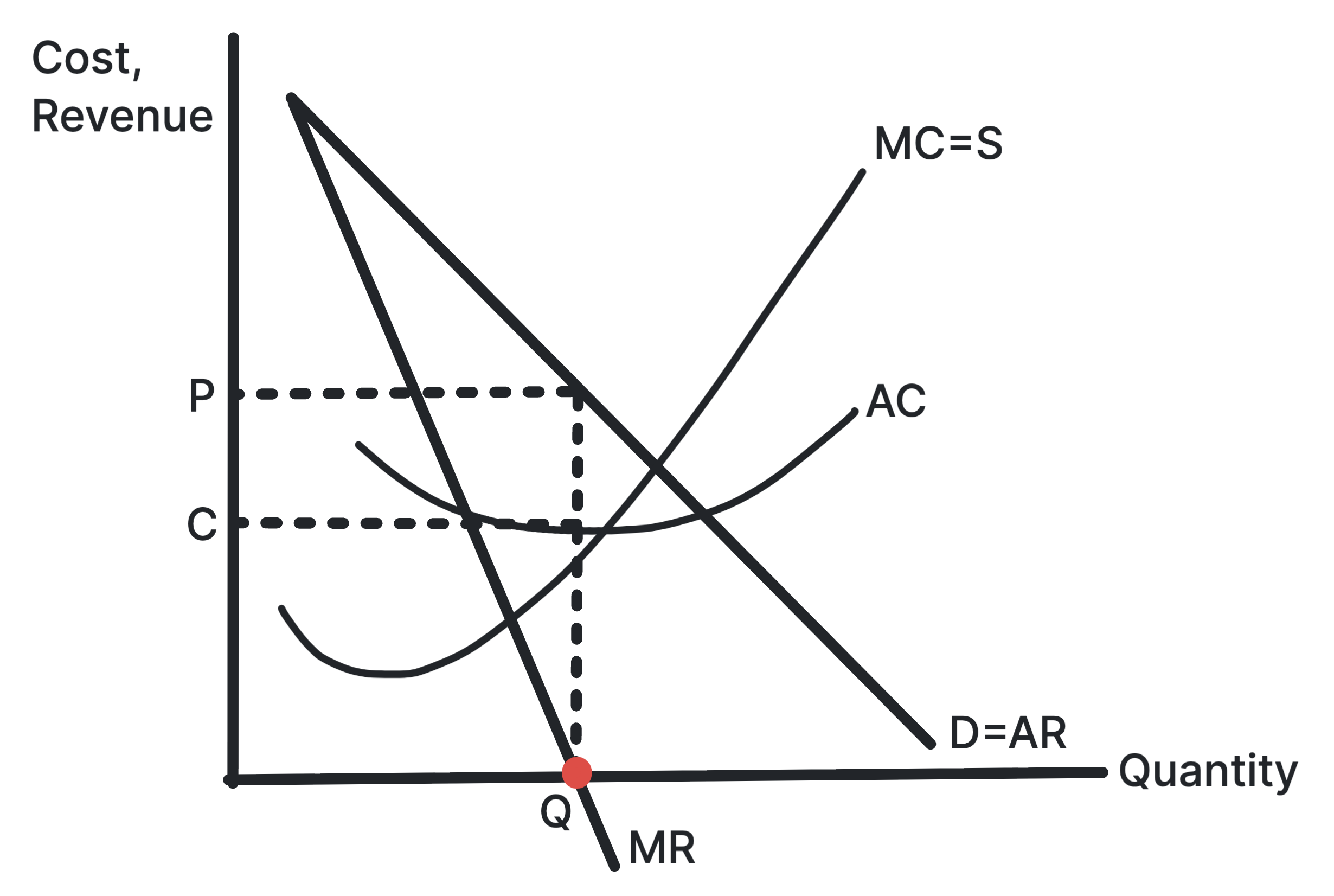
Revenue Maximisation
Objective: Maximise total revenue.
Why? Firms may want to increase market share or benefit from economies of scale to lower average costs. Both of these can increase long-term profitability.
Rule: Revenue is maximised where \( MR = 0 \).
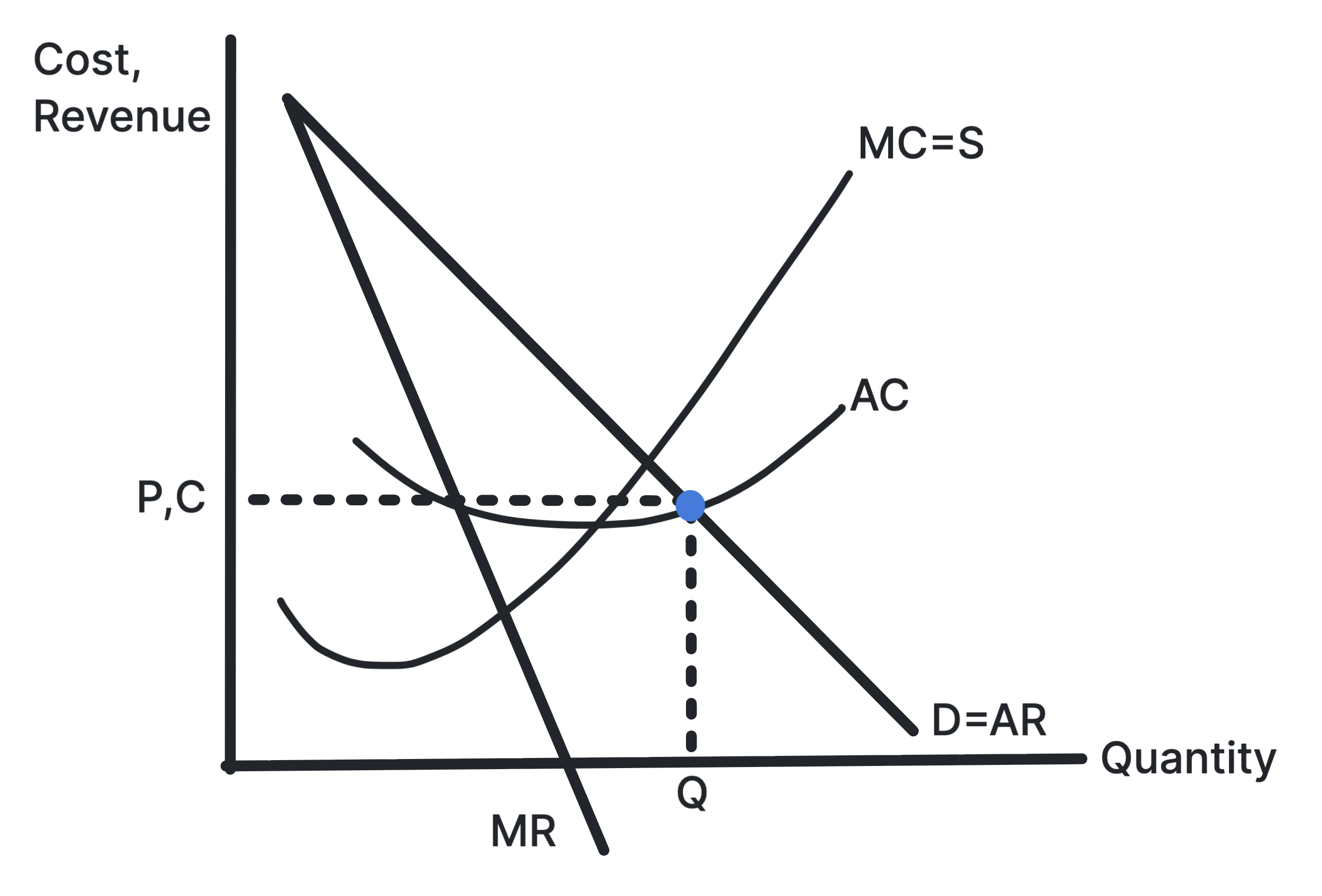
Sales Maximisation
Objective: Maximise the quantity of units sold.
Why? Firms may want to increase market share, clear stock, or practise limit pricing to deter new entrants.
Rule: Sales maximisation occurs where \( AC = AR \), so the firm breaks even and earns only normal profit.
Satisficing
Objective: Aim for a satisfactory level of profit rather than the maximum possible profit.
Why? Managers may prioritise personal benefits, such as higher salaries, job security, or perks, over maximising profits for shareholders due to the principal-agent problem. Therefore, they may choose to satisfice — achieving a level of profit that is acceptable to shareholders while also meeting their own personal objectives. In smaller businesses, owners may also choose to satisfice to balance work-life priorities or other personal goals.
Result: Output and price are likely to lie between the profit maximisation and sales maximisation points.
Other Possible Objectives
Alongside Profit Maximisation, Revenue Maximisation, Sales Maximisation, and Satisficing, firms may also pursue other objectives such as:
- Corporate Social Responsibility (CSR): Firms may aim to act in a socially responsible manner, considering the impact of their actions on society and the environment.
- Survival: In highly competitive markets or during economic downturns, firms may focus on survival rather than profit maximisation, aiming to maintain operations and avoid bankruptcy.
- Employee Welfare: Firms may prioritise the well-being of their employees, offering better working conditions, benefits, and job security, which can lead to increased productivity and loyalty.
- Social Objectives: Some firms may pursue social objectives, such as promoting diversity, supporting local communities, or contributing to charitable causes, which can enhance their reputation and brand image.
Summary of Objectives
| Objective | Rule | Price | Output | Reason |
|---|---|---|---|---|
| Profit Maximisation | \( MC = MR \) | Highest | Lowest | Shareholder returns. |
| Revenue Maximisation | \( MR = 0 \) | Medium | Medium | Market share and manager incentives. |
| Sales Maximisation | \( AC = AR \) | Lowest | Highest | Market dominance and stock clearance. |
Stuck on this topic? Work through it with an online A-Level Economics tutor in a free 15-minute intro call, or send an essay on it for A-Level Economics essay marking.